Planning a trip to Rome? Why not squeeze in some exciting day trips into your itinerary? Sure, Rome packs a treasure trove of attractions, but the beautiful regions around the bustling city offer some of the most spectacular scenery and interesting sites that you may not otherwise get the opportunity to experience. Check out the following day trips from Rome.
8Ostia Antica
 flickr/Jean-Pierre Dalbera
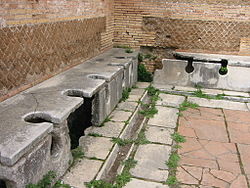
Located at the mouth of the River Tiber, Ostia was Rome’s seaport, but, due to silting and a drop in sea level, the site now lies 3 kilometers (2 miles) from the sea. From Rome it takes about 45 minutes by metro and train to get to Ostia. The site is famous for the ancient apartment buildings (insula) that are very well preserved. You can explore these buildings to one story in height, with narrow stairways and corridors leading to small rooms. There are also the remains of more wealthy houses, such as the House of Cupid and Pysche, with very rich marble decorations.
Ostia Antica is a large archeological site, close to the modern suburb of Ostia (Rome), that was the location of the harbour city of ancient Rome, which is approximately 30 kilometres (19 miles) to the northeast. "Ostia" in Latin means "mouth". At the mouth of the River Tiber, Ostia was Rome's seaport, but due to silting the site now lies 3 kilometres (2 miles) from the sea. The site is noted for the excellent preservation of its ancient buildings, magnificent frescoes and impressive mosaics.
Origins
Ostia may have been Rome's first colonia. An inscription says that Ostia was founded by Ancus Marcius, the semi-legendary fourth king of Rome, in the 7th century BC. The oldest archaeological remains so far discovered date back to only the 4th century BC. The most ancient buildings currently visible are from the 3rd century BC, notably the Castrum (military camp); of a slightly later date is the Capitolium (temple of Jupiter, Juno and Minerva). The opus quadratum of the walls of the original castrum at Ostia provide important evidence for the building techniques that were employed in Roman urbanisation during the period of the Middle Republic.
Sacking by pirates
In 68 BC, the town was sacked by pirates. During the sack, the port was set on fire, the consular war fleet was destroyed, and two prominent senators were kidnapped. This attack caused such panic in Rome that Pompey the Great arranged for the tribune Aulus Gabinius to rise in the Roman Forum and propose a law, the Lex Gabinia, to allow Pompey to raise an army and destroy the pirates. Within a year, the pirates had been defeated.
The town was then re-built, and provided with protective walls by the statesman and orator Marcus Tullius Cicero.



No comments:
Post a Comment